
A paper posted on arXiv, titled "AI and the Enclosure of the Scientific Commons," has been drawing attention on the Hacker News front page, with 126 points and 74 comments at the time of writing. Its argument is simple to state: scientific literature is a shared resource, and AI could let a few companies fence it off and profit from it. By the end of this article, you will understand that argument, see why it touches the tools you use daily, and have a few habits for using AI with research more carefully.
I am working from a summary of the paper, not its full text, so this piece sticks to the paper's core claims and adds my own commentary where marked.
What "enclosure" means here
The paper, per its summary, treats scientific literature as an "information commons." That means a body of knowledge many people contribute to and many people can draw on.
It then borrows a historical comparison: the enclosure of common land, when shared land was turned into private property and wealth. The authors warn that AI could enable a modern version, in which shared scholarly knowledge becomes private wealth.
That is the whole analogy. Land that everyone used became land that a few owned. Knowledge that everyone can read could become knowledge that a few companies control access to.
Why this is different from a copyright argument
Most public debate about AI and research focuses on copyright: did a company have the right to train on this paper? The paper, as summarized, frames it more structurally. The concern is about who ends up holding the value of shared knowledge, not only about individual legal claims.
Here is my own take: "open access" and "free for anyone to extract at scale" are not the same promise. A paper made free to read so people can learn from it was likely not made free so one company could repackage it and sell the summary. The paper's authors appear to be pressing on that gap.
The second threat: pollution from "slop spam"
The summary says the paper also points to the pollution of knowledge systems through what it calls "slop spam." In plain terms, that is low-quality AI-generated material flooding the places where reliable information lives.
The authors link this to enclosure: one force extracts and privatizes the commons, while the other fills what is left with junk. My reading is that both reduce the value of shared knowledge to ordinary people. If you cannot tell good research from filler, an open library is hard to use.
What this means for your everyday tools
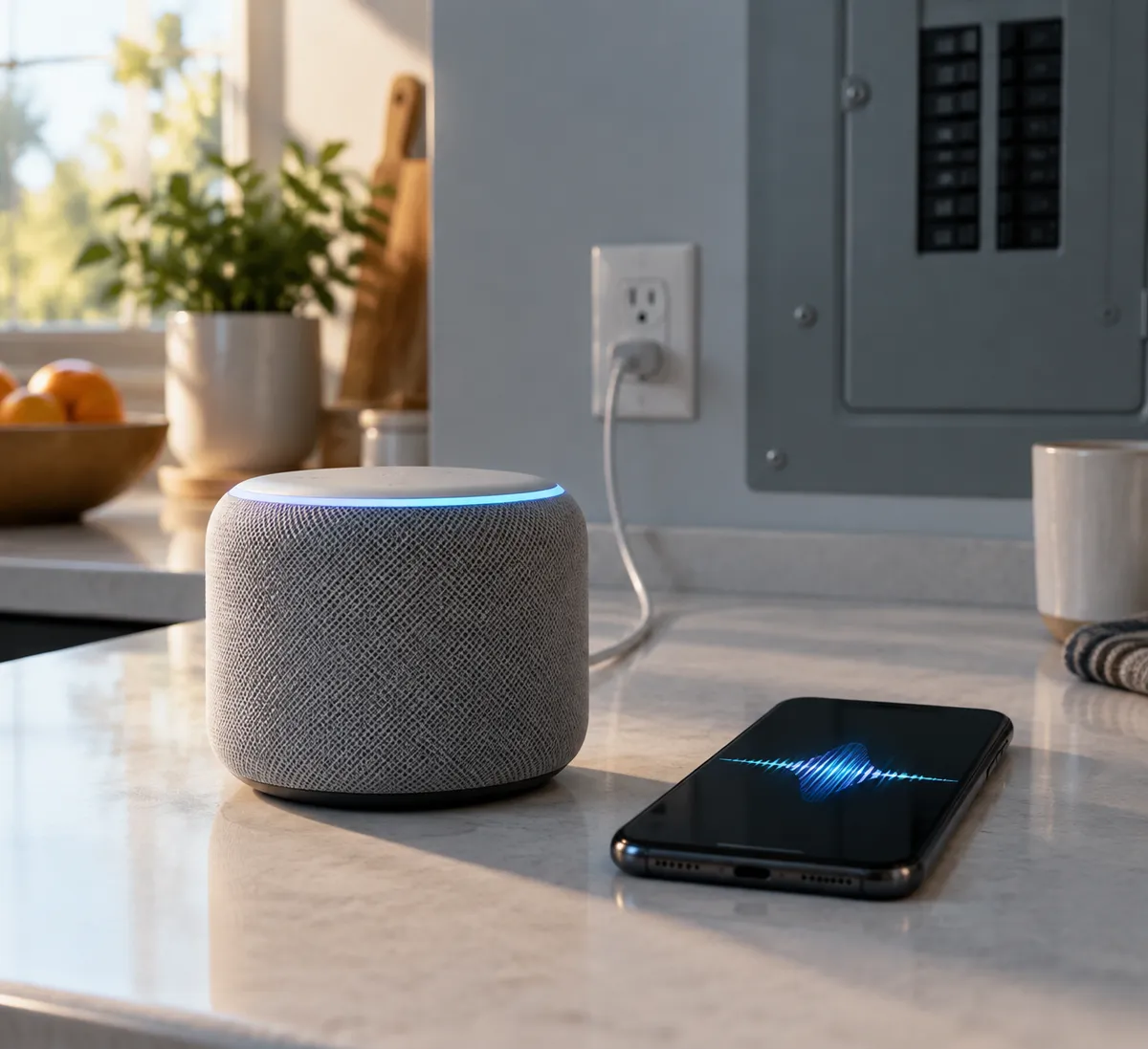
You do not need to be a scientist to be affected. If you ask an AI chatbot a health, tech, or science question, the answer may draw on that shared pool of research, and you may never see the original source.
That is where a few practical habits help. These are my suggestions, not the paper's.
1. Ask for sources, then open them
When you use an AI assistant for a factual question, ask it to name the studies or articles behind its answer. Then search for each title yourself. If you cannot find it, treat the claim as unverified. AI tools can get details wrong, so this check matters.
2. Go to the original where you can
For anything important, such as a medical decision or a major purchase, find the original paper or an authoritative summary. Many researchers post free versions of their work on preprint servers like arXiv, the same place this paper lives. Read at least the abstract.
3. Check the date and the author
Slop is often anonymous and undated. Before trusting a page, look for a named author, an institution, and a publication date. Missing all three is a reason for caution.
4. Prefer sources that cite their sources
A trustworthy article links to the studies behind its claims. If a page makes big claims and links to nothing, move on.
5. Keep your own reading list
Bookmark a handful of reliable outlets, journals, or university pages in your browser and visit them directly instead of relying only on search results or AI summaries. A short folder of trusted sites on your phone or computer takes five minutes to set up and saves you from sorting through filler later.
Tragedy of the commons vs. theft of the commons
One of the angles in the paper's framing is the difference between these two ideas. The classic "tragedy of the commons" says shared resources get overused because nobody owns them. The enclosure view says something else: the problem is not that sharing fails, but that someone takes the shared resource for private gain.
That distinction matters because it changes the proposed fix. If the problem is overuse, you add restrictions on everyone. If the problem is capture, you protect the commons from being captured. I am drawing that implication myself, since I cannot tell you from the summary which remedies the authors favor.
What should be protected next
The summary raises the question of what scientists, publishers, and policymakers should protect before open knowledge is permanently captured. It does not, in the material I have, list specific policies, so I will not invent any.
What you can reasonably ask of the people and companies you rely on is more modest:
- Do your AI tools show where their information came from?
- Do the publishers you read keep research accessible?
- Do the platforms you use make it easy to tell human-checked work from machine-generated filler?
Those are questions, not accusations. But they are fair ones to keep in mind when choosing tools.
The one habit worth keeping
The next time an AI tool gives you a confident answer about science or health, find one original source behind it and read it yourself. That small step keeps you connected to the commons instead of only to whoever summarizes it.