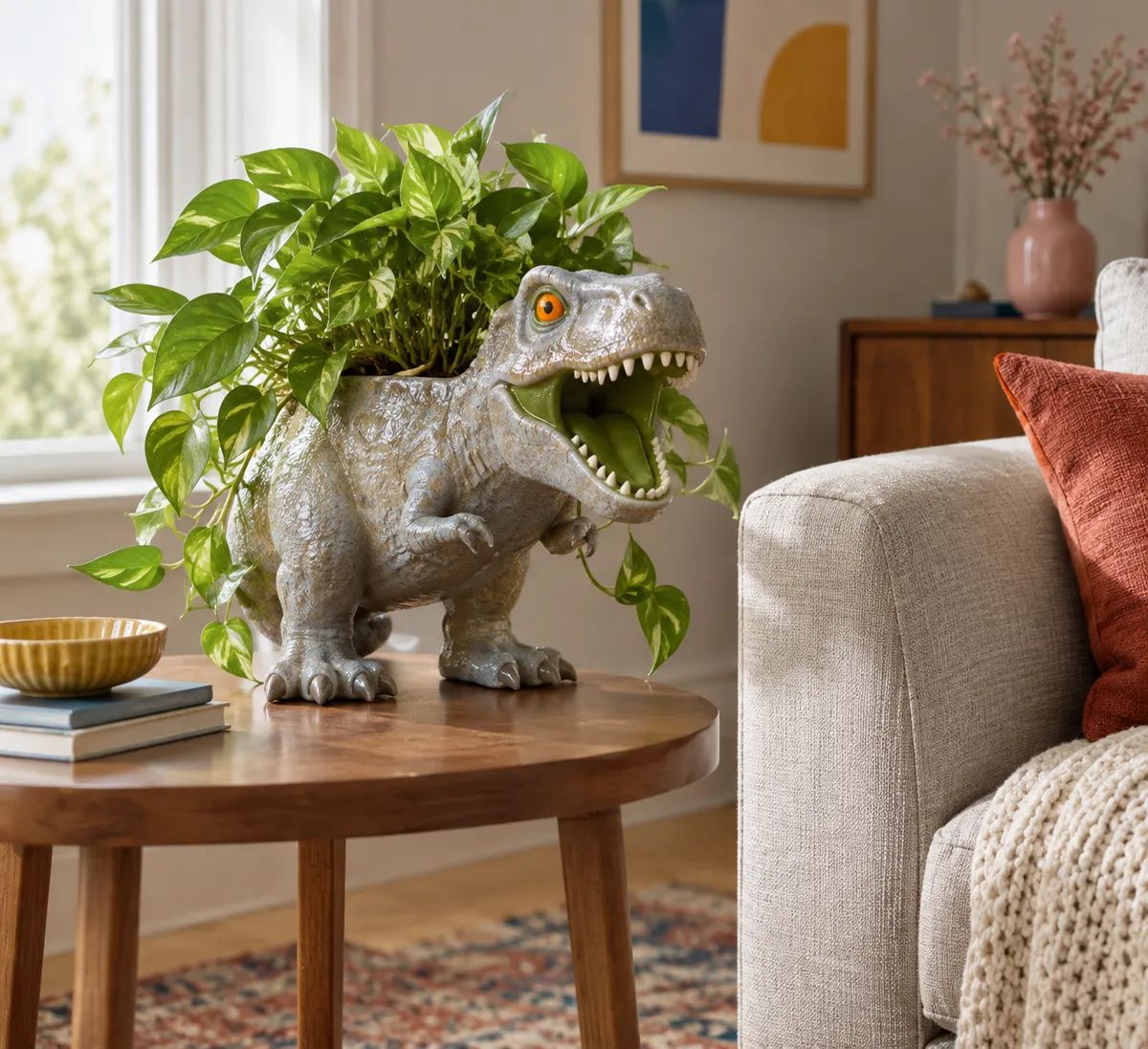
BuzzFeed Shopping recently published a roundup of 33 eccentric home products for people who, in its words, never pick the beige option. The full list isn't reproduced here, so this article doesn't walk through individual products. What the roundup does offer is a useful idea: you don't need a full redesign to make a home feel personal. One well-chosen oddball item can do a surprising amount of work.
Here is a practical way to apply that idea, step by step, without overspending or ending up with a room full of clutter.
Why one bold item beats a full makeover
Per the roundup's framing, playful, personality-filled decor is a way to show who you are at home. The trend it taps into, often called "dopamine decor" or maximalism, is a move away from sterile minimalism toward spaces that feel expressive and fun.
The low-effort version of that trend is a single statement piece. It gives you the payoff (a room that feels like yours) without repainting, buying new furniture, or committing to a whole aesthetic.
Step 1: Pick the room that feels most generic
Walk through your home and notice where you feel nothing. Common culprits:
- A rental living room with default white walls
- An entryway that is purely functional
- A kitchen with matching, forgettable everything
Choose just one. Starting with a single room keeps the project small and lets you see whether the change actually works.
Step 2: Choose an item that earns its space
The most satisfying quirky purchases are ones that do something. When browsing any shopping roundup, including BuzzFeed's, ask three questions before buying:
- Would I use it weekly? A funny object you ignore is just clutter with a punchline.
- Does it have a spot? Decide where it will live before you order it.
- Will it still make me smile in six months? If the joke only works once, skip it.
Functional items disguised as conversation pieces are the sweet spot: storage, lighting, serveware, or organizers that happen to be weird in a good way.
Step 3: Let it be the star
A statement piece works best when it has room to breathe. A few simple rules:
- Give it a clear surface or wall. Clear the area around it first.
- Keep nearby items calm. If the new thing is loud, let the neighbors be quieter.
- Repeat one color. Echo a shade from the item in a pillow, a plant pot, or a print so it looks intentional rather than random.
Step 4: Keep it affordable
Shoppers want pieces that feel expressive without costing a fortune, and a quirky accent is usually a smaller purchase than furniture. To keep spending in check:
- Set a cap before you start browsing, such as the price of a nice dinner out.
- Buy one item, live with it for a couple of weeks, then decide whether you want another.
- Check return policies, since a piece that looked great online can feel different in person.
Step 5: Add a smart-home touch if it fits
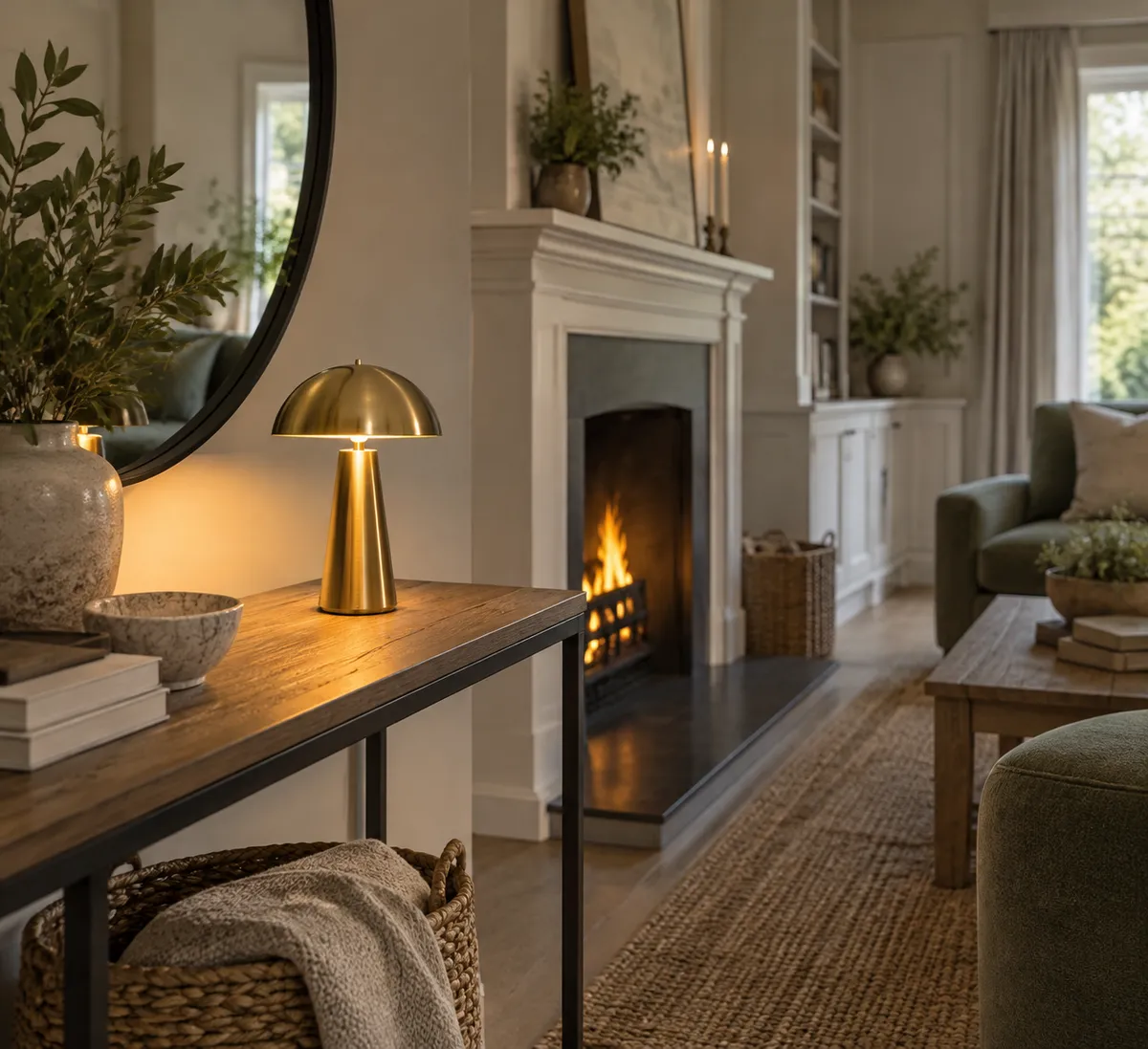
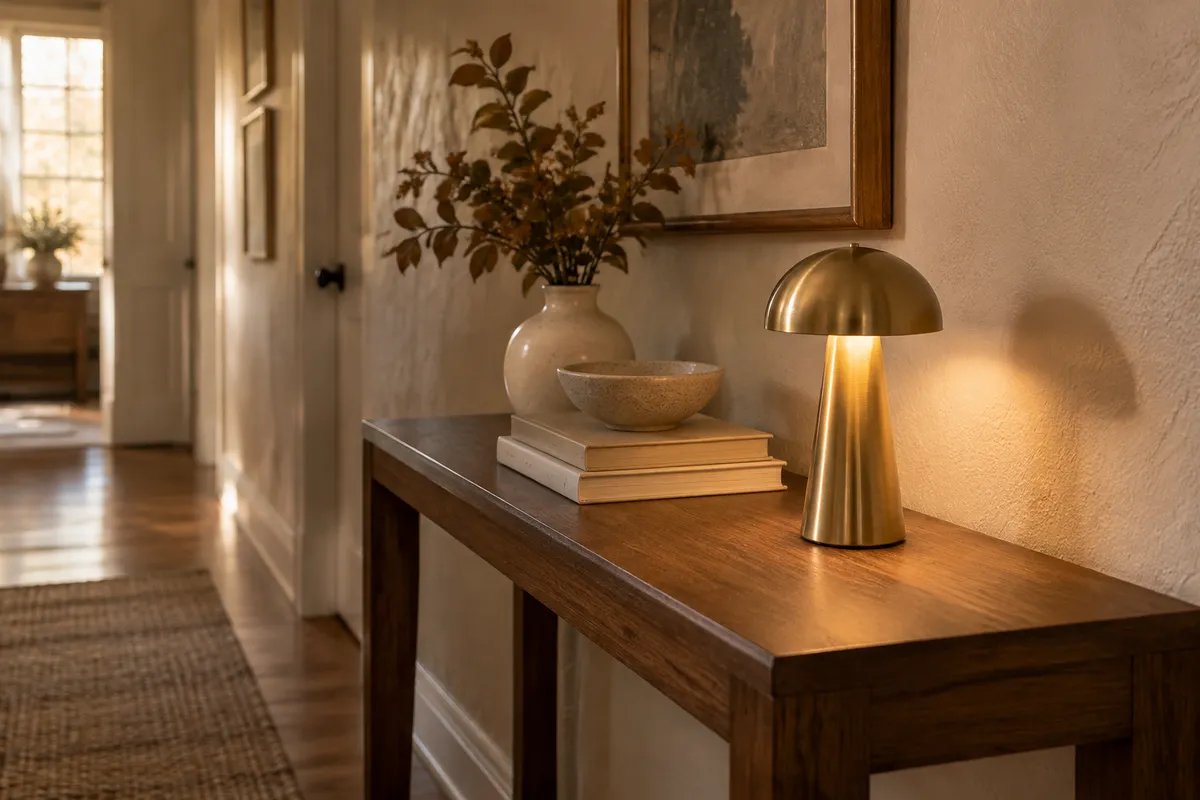
Personality and convenience can overlap. If your eccentric item is a lamp or a light-up piece, a basic smart plug lets you put it on a schedule so it glows on automatically in the evening. Check that the plug's rated wattage covers your lamp, and follow the setup steps in the plug maker's app for your phone's operating system.
Step 6: Take a photo and judge it fairly
Because this style is also social-media-friendly, snap a picture once the item is in place. Photos make it easier to see the whole composition. If the corner looks cluttered, remove something rather than adding more. The goal is a conversation starter, not a crowded shelf.
A quick sanity check before you buy
BuzzFeed's roundup is a shopping feature, so treat it as inspiration rather than a vetted buying guide. Before purchasing anything:
- Read recent customer reviews for quality and size complaints.
- Confirm dimensions against your actual space with a tape measure.
- Check materials if the item will hold food or sit near heat.
Start with one
Pick the dullest room in your home, set a budget, and buy one thing that makes you grin and also gets used. Live with it for two weeks before you add anything else.