If you use an AI chatbot to write or polish your resume, you can run a quick check to catch stereotyped wording before an employer sees it. This guide walks you through it, step by step, and explains why it is worth five minutes.
Why this check is worth doing
A study published in PNAS, reported by Phys, found that major AI models can reproduce gender stereotypes when generating resumes and assessing candidates. That means bias can show up in two places: before you apply, when the tool drafts your resume, and during hiring, when a system evaluates candidates.
Per the report, the first hurdle can arise before an application is even submitted. A woman asks an AI system to help write her resume, and the system chooses the words, highlights certain qualities and builds a profile.
The research also found that "fair" average outcomes can hide penalties in gender-skewed professions. Women entering male-dominated fields were singled out as especially exposed. So a tool that looks balanced overall may still treat you differently in your particular field.
I can't tell you from this research which specific apps or versions are affected, or how large the effect is in any one case. The check below works with any chatbot or resume tool, on a phone or computer, whatever version you use.
Step 1: Save your original facts first
Before asking AI for anything, write down your real details in a plain document: job titles, dates, measurable results (for example, "cut processing time by 20%"), and tools you used. This is your reference copy. Anything the AI adds or changes gets compared against it.
Step 2: Ask for a draft, then do a swap test
This is the most useful part, and it is my suggested method rather than one prescribed by the study.
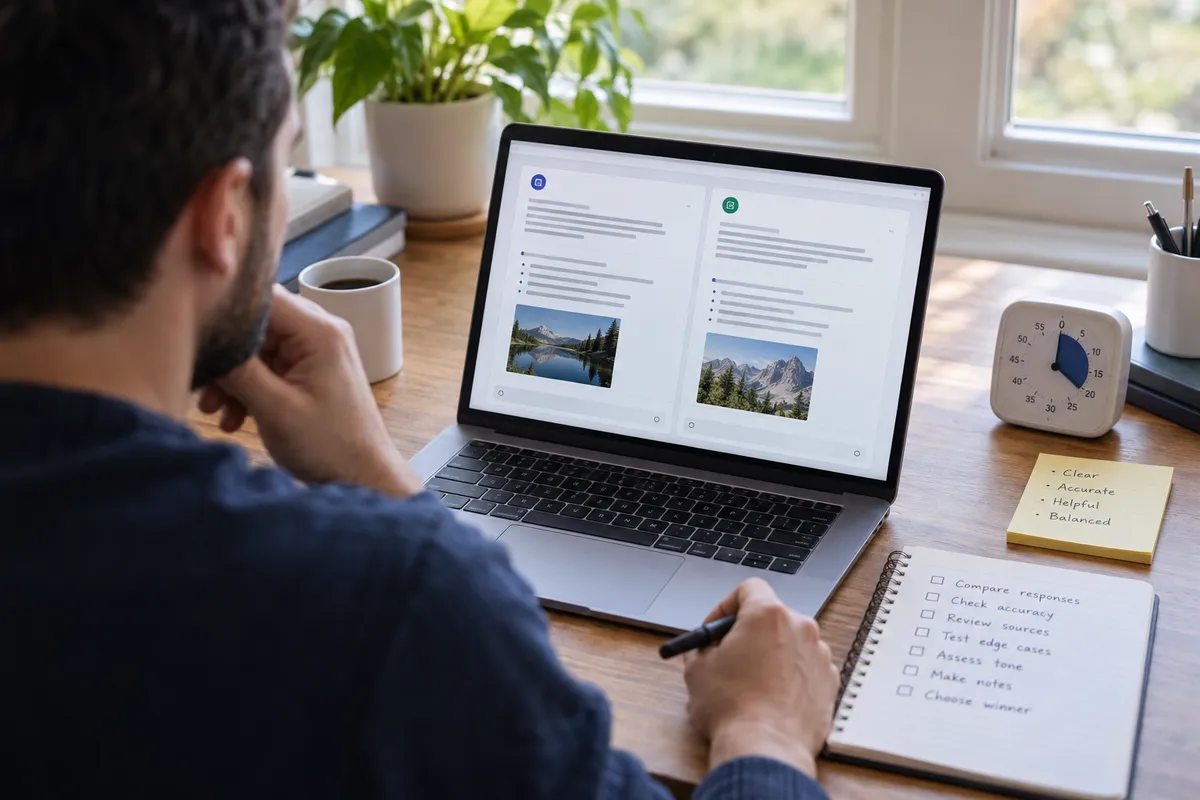
- Open a new chat in your AI tool and paste your facts. Ask for a resume summary and bullet points.
- Copy the result into a document.
- Open a second, separate chat. Paste the same facts, but change only the name and pronouns to a typical name of the opposite gender.
- Ask for the same output.
- Put the two drafts side by side.
Use separate chats so the first conversation doesn't influence the second. If the facts are identical, the drafts should be close in substance.
Step 3: Compare what to look for
Read both drafts and mark differences in:
- Descriptive words. Does one draft lean on traits like "collaborative" or "supportive," while the other says "driven" or "strategic"?
- Strength of verbs. Compare "assisted" with "led," or "helped" with "delivered."
- Which achievements come first. Does the order change?
- Added claims. Did the tool invent anything that isn't in your facts?
Any gap that your facts don't explain is a red flag. Edit your version to match the stronger, accurate wording.
Step 4: Be most careful in gender-skewed fields
The study's finding about averages matters here. If you are a woman applying in a male-dominated profession, or a man in a female-dominated one, a tool's general fairness doesn't guarantee fair treatment for you. Do the swap test with extra care, and consider running it more than once, since AI outputs vary between attempts.
Step 5: Keep a human in charge of salary advice
The coverage of this research flags salary guidance as one area where AI is increasingly used. Treat any AI-suggested pay figure as one input, not an answer. Try the same swap test: ask for a salary range for your role and location twice, with only the gender cues changed. Then check the numbers against postings and published pay data for your job. If the two answers differ, trust neither blindly.
Step 6: Rewrite in your own voice
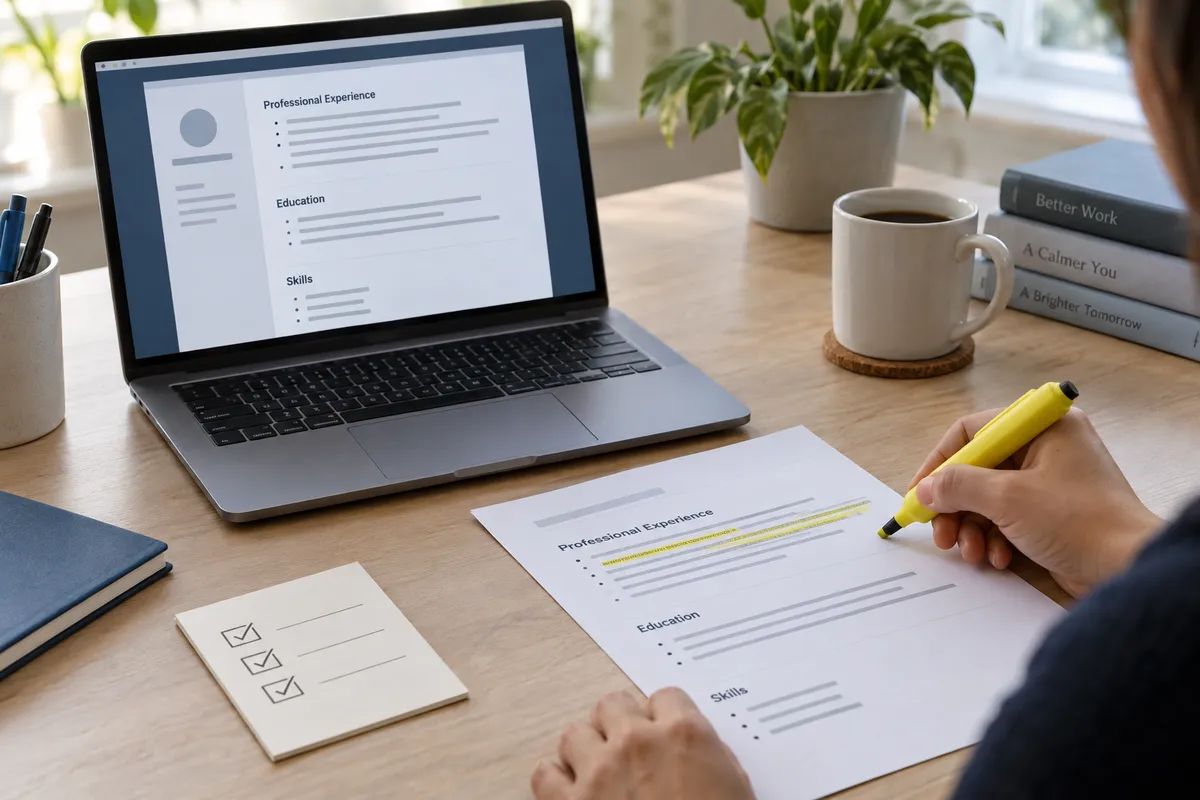
Use AI for structure and proofreading, then finish the resume yourself. Make sure each bullet:
- starts with a strong, accurate verb,
- includes a number or concrete outcome where you have one,
- contains nothing you can't back up in an interview.
If you hire or screen candidates
The same research raises a point for employers: asking an AI to be "gender-neutral" in a prompt may not be enough, and average results can mask problems in particular occupations. A practical response is to test any screening or assessment tool on matched candidates whose only difference is gender, and to break results down by job type rather than relying on one overall score. Keep people involved in final decisions.
What this doesn't tell you
This study doesn't mean every AI resume is biased, and it doesn't mean you should stop using these tools. It means the output deserves the same scrutiny you would give a draft from a stranger.
The takeaway
Before you send an AI-written resume anywhere, run it through a swap test with only the name and pronouns changed, and fix any wording your facts don't justify.