Hackers have reportedly breached the FBI's National Crime Information Center (NCIC), according to Fox News, which cited sources. Investigators are still working out how the intruders got in and what they accessed. If you're wondering whether this affects you, the honest answer right now is that nobody has said. What you can do is understand what the system is, separate the confirmed from the unknown, and spend ten minutes tightening your own digital defenses.
What the reports say so far
Per Fox News, the FBI is probing the entry point and what data was compromised. The outlet describes this as the second major cyberattack involving the FBI in recent months. It follows a recent FBI-linked breach attributed to the group ShinyHunters.
That's the extent of what's been reported. The scope of the breach, the type of data involved, and who is responsible for the NCIC intrusion have not been established in the reporting. Treat anything more specific you see on social media as speculation.
What NCIC is, and why a breach matters
Per the report, NCIC is a key law-enforcement database used to track fugitives, sex offenders, failed gun background checks, and more. In plain terms, it's one of the lookup tools behind everyday policing and public-safety checks.
That's why even uncertainty is a big deal. When a system like this is touched, the concerns include:
- Trust in the data. Officers rely on these records being accurate and available.
- Privacy. Databases of this kind hold sensitive personal information about real people.
- Operational risk. If investigators can't be sure what was accessed or altered, they have to verify more before relying on it.
These are reasonable questions raised by the nature of the system, not confirmed outcomes of this incident. Officials haven't said which of them apply.
What this means for you personally
No reporting says ordinary citizens' accounts were exposed. But large breaches often have a second act: stolen data circulates, and scammers use news headlines as bait. Here's how to stay ahead of both.
Step 1: Watch for breach-themed scams
Expect fake emails and texts claiming to be from the FBI, a government agency, or a "security team" asking you to verify your identity. Real agencies don't demand payment or personal details through an unsolicited text.
- Don't tap links in unexpected messages.
- If a message claims to be official, find the agency's phone number or website yourself and contact them directly.
- Delete and report the message in your email app or phone's messaging app.
Step 2: Turn on two-factor authentication
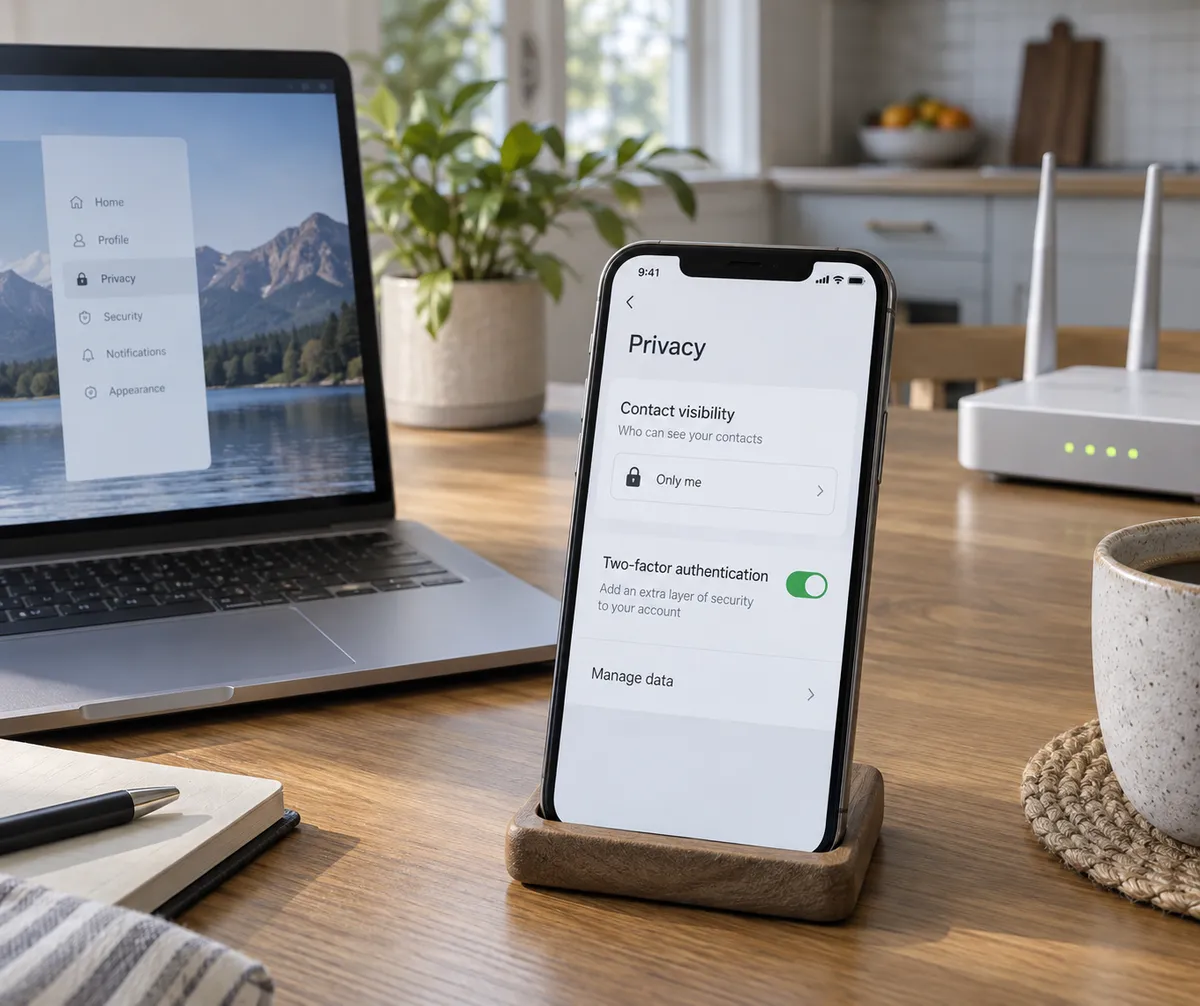
This is the single most useful habit against account takeovers. On most phones, the path looks like this:
- Open your email account's security settings (Google Account, Apple Account, or your provider's equivalent).
- Find "2-Step Verification" or "Two-factor authentication."
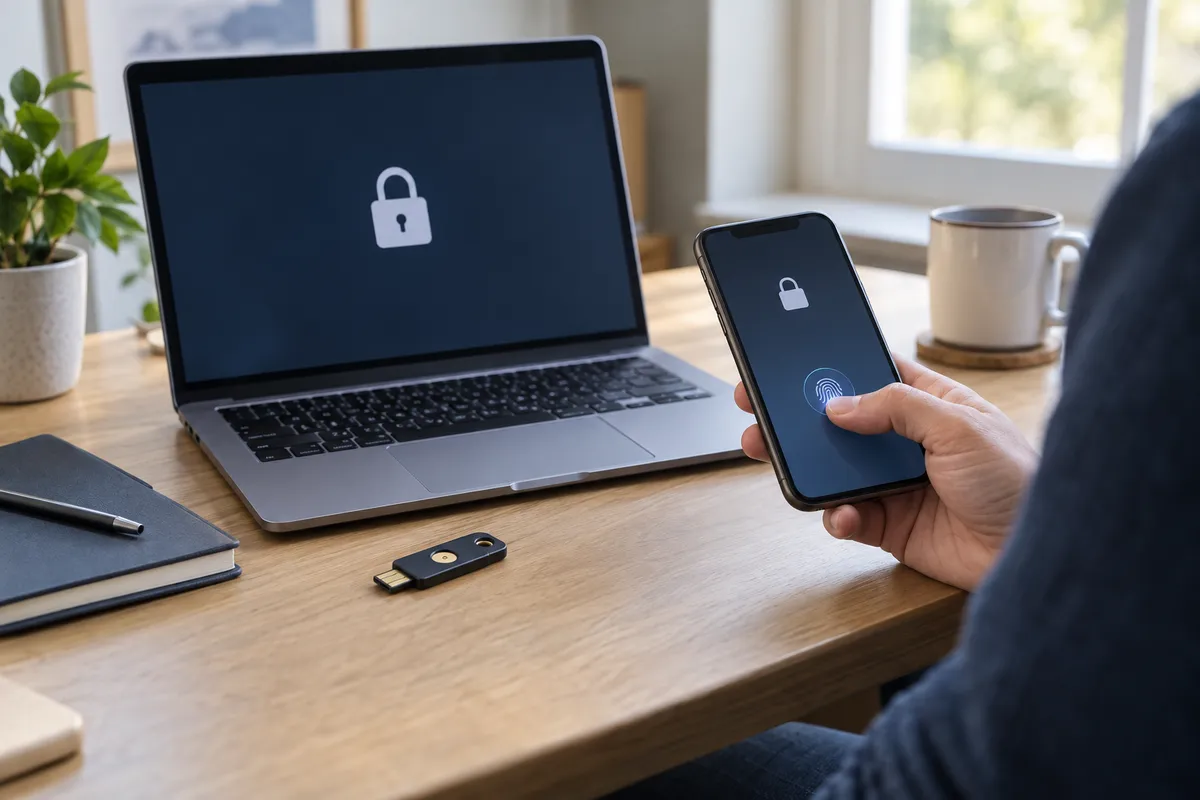
- Choose an authenticator app or a passkey over text messages when you have the option.
Start with your email, since it can reset almost everything else.
Step 3: Use a password manager
Reusing passwords is how one breach becomes five. A password manager built into your phone or browser, or a standalone one, generates and stores unique passwords so you only remember one. Update your email, banking, and phone carrier passwords first.
Step 4: Check whether your email appeared in past breaches
The free service Have I Been Pwned lets you enter your email address and see which known breaches included it. If you find a hit, change that password, and any other account where you used it.
Step 5: Consider a credit freeze
If you're worried about identity theft generally, a credit freeze is free in the U.S. and blocks new accounts from being opened in your name. You set it up with each credit bureau, and you can lift it temporarily when you need to apply for credit.
The bigger lesson: layers matter
The reporting frames this as part of a pattern of attacks on critical U.S. systems. Our read, and it's an interpretation rather than a finding from the investigation, is that no single system should be your only line of defense. That applies to agencies, and it applies to you. A strong password, a second verification step, and a habit of skepticism toward unexpected messages each stop a different kind of attack. Together they make you a much harder target.
What to do next
Before you close this page, open your email account's security settings and turn on two-factor authentication. It takes about two minutes, and it protects you no matter how this investigation turns out.