
Someone messages you offering a few hundred pounds for letting money pass through your bank account. No experience needed, no real work involved. It sounds like a lucky break. It is often the start of a criminal case against you.
This guide shows you how money mule recruitment typically works, which red flags to check for, and what to do on your phone and in your banking apps if you think you've been approached.
Why this matters: the numbers
Per analysis reported by Phys, more than 8,900 people under 30 were arrested for money laundering offenses in England and Wales between 2020 and 2025. That is more than six in 10 of all money laundering arrests recorded in that period.
The same reporting says organized crime groups recruit young people as "money mules": people whose bank accounts are used to move money that came from crime. It argues that students, especially international students, are vulnerable because of online recruitment, financial pressure, and low awareness of the legal risks. It also notes that the U.K.'s 2025 national risk assessment flagged schools and universities as an emerging money-laundering risk.
What a money mule actually does
A money mule lets money pass through their account. Someone sends funds in, and you are told to keep a cut and send the rest on, or withdraw it. The money comes from crime, and your account hides where it really came from. The criminals stay out of sight. You are the name on the account.
Red flags to check before you reply
These are practical warning signs. Treat any one of them as a reason to stop.
1. The job needs your bank account, not your skills
A real employer pays you into your account. It does not need to move other people's money through it. Be wary of ads with vague titles like "payment processor" or "finance assistant" that promise easy pay for little effort.
2. The approach comes through social media or messaging apps
Recruitment often starts online. Be cautious of direct messages, posts promising quick cash, or contacts who push you to move the chat to a private messaging app. A legitimate company will have a verifiable website, a company email address and a proper hiring process.
3. You're told to keep a cut and pass the rest on
This is the core of the scheme. If anyone says you can keep a percentage of money that arrives, and forward the remainder, walk away.
4. Pressure and secrecy
Be suspicious if you are rushed, told not to mention it to your bank, or told not to ask questions. Real jobs don't depend on secrecy.
5. You're new, short of money, or unfamiliar with the system
The reporting highlights financial pressure and low awareness of the legal risks as reasons students are vulnerable. Criminals look for people in exactly that position, so being newly arrived or tight on cash is when to be most careful.
A quick safety check you can do in five minutes
The steps below apply to most smartphones and banking apps. Menu names vary by bank and app version, so look for the equivalent in yours.
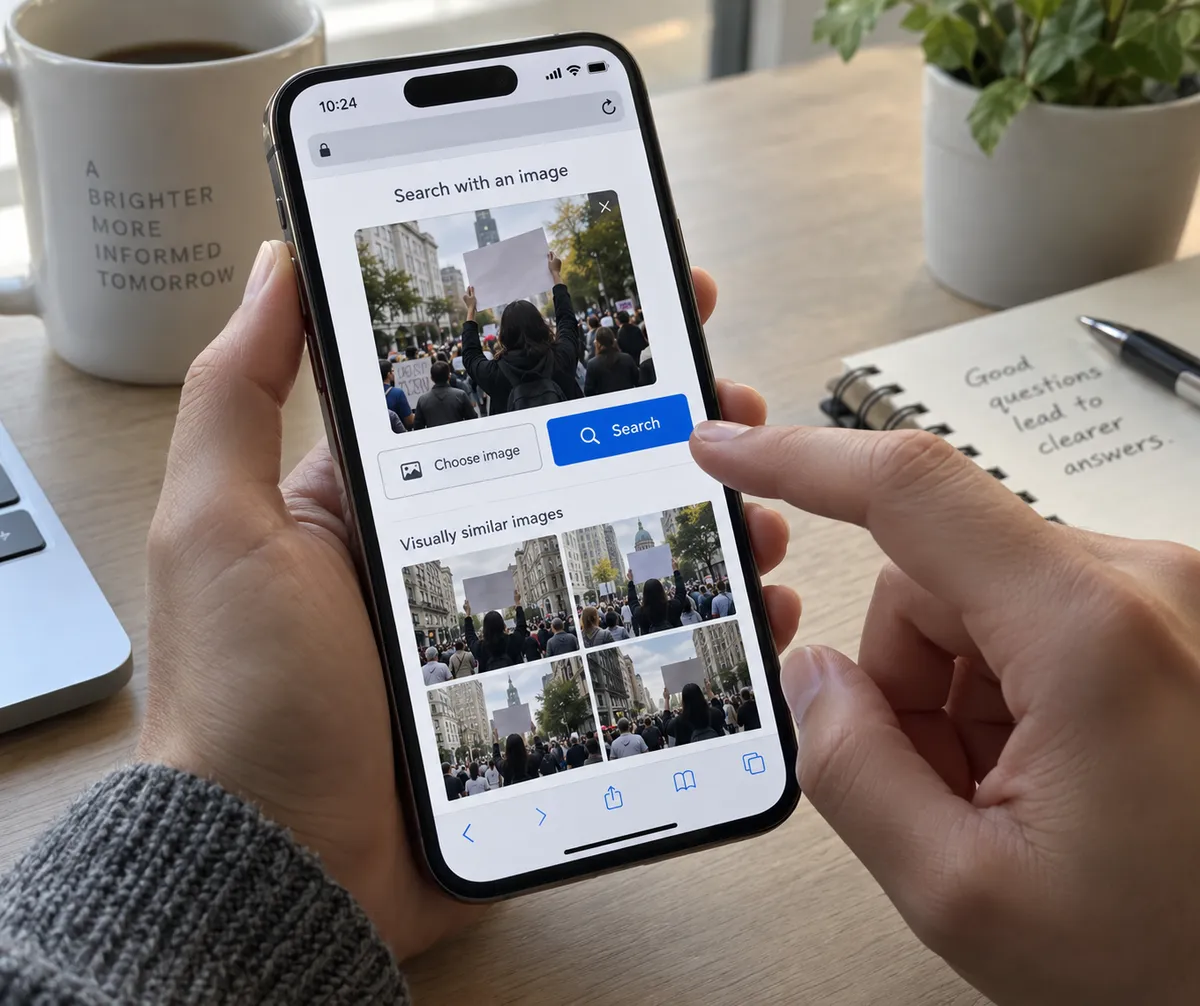
- Search the offer. Type the company name and the words "scam" or "money mule" into a search engine. Check that the company has an official website and contact details you can verify independently.
- Don't share account details. That includes your account number, sort code, online banking login, one-time passcodes and card details. Never hand over login access to anyone.
- Review your banking app. Open the app, look at recent transactions, and check for any payments you don't recognize. Turn on transaction notifications if your app offers them.
- Lock down your logins. Use a unique password for your banking app and turn on two-step verification or biometric login (fingerprint or face unlock) in the app's security settings.
- Save the evidence. Screenshot the messages or ad, but don't delete the conversation. Block the contact after you've saved it.
The legal risk is real
The figures above are arrests for money laundering offenses, and they are not limited to the organizers. Young account holders are among those being arrested. "I didn't know" may not protect you, and the reporting points to low awareness of legal risks as part of the problem. Beyond the legal process, you may also face practical fallout, though the source doesn't detail specific penalties, so check official guidance for your situation.
If you've already let someone use your account
Don't wait and hope it goes away.
- Stop all transfers connected to the arrangement. Don't send on any money you've received.
- Contact your bank right away, using the number on your card or the official app, and explain what happened.
- Report it to the police or the relevant fraud reporting service in your country.
- Talk to someone you trust. If you're a student, your university's student support service is a sensible first stop.
A note on universities
The reporting also raises concern about gaps in universities' anti-money-laundering responsibilities. That's an argument for institutions to act, but you shouldn't wait for them. If you're studying, share this with friends, especially newly arrived students, who may not have heard of money mules.
The one habit to keep
Your bank account is yours alone. If anyone, for any reason, asks to use it to move money, say no, and report the approach.